Building Systems
Understanding Florida foundation systems
Your foundation isn't a choice you make—it's determined by engineering. Here's what goes into that decision.
Florida homes use different foundation systems based on site conditions. Here are the main types you'll encounter.
A single pour of concrete directly on compacted ground. The footing and slab are poured together as one piece.
Best For
Considerations
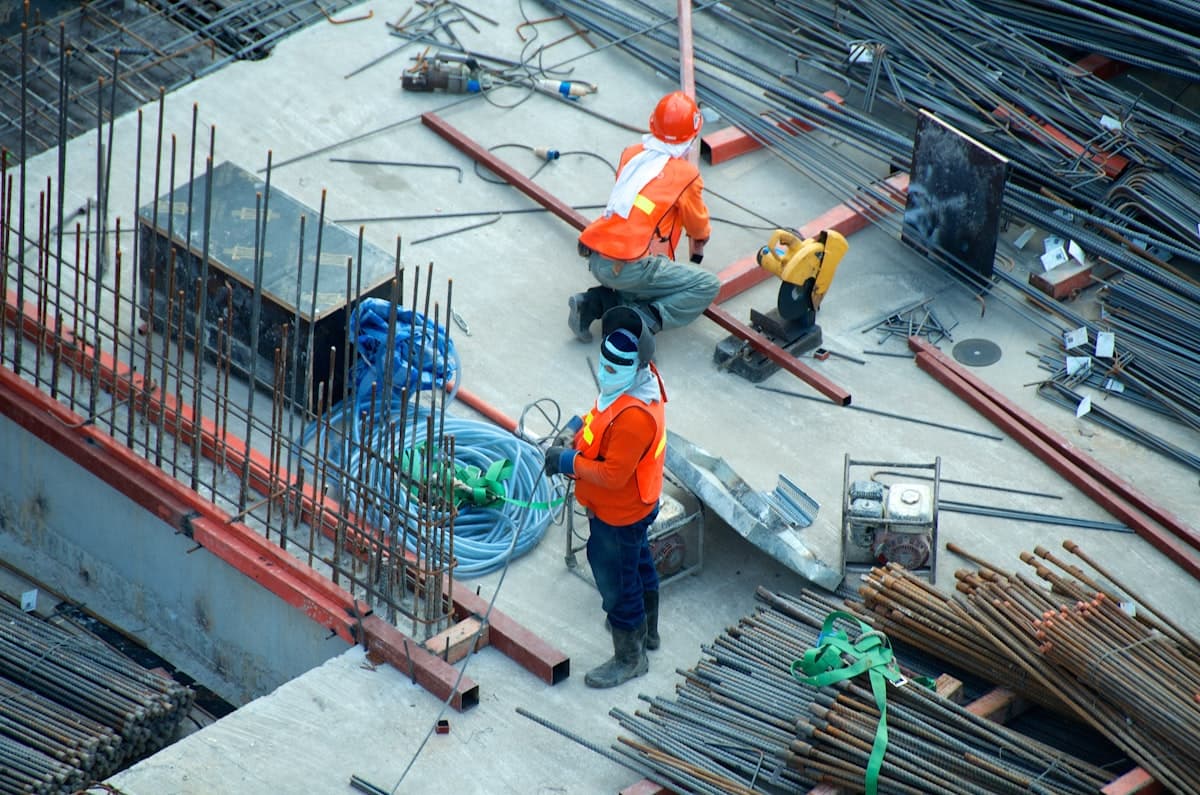
Single-pour concrete on compacted grade
A poured concrete footing with reinforced concrete block walls built on top. The structure is then raised above ground level before the interior slab is poured.
Best For
Considerations
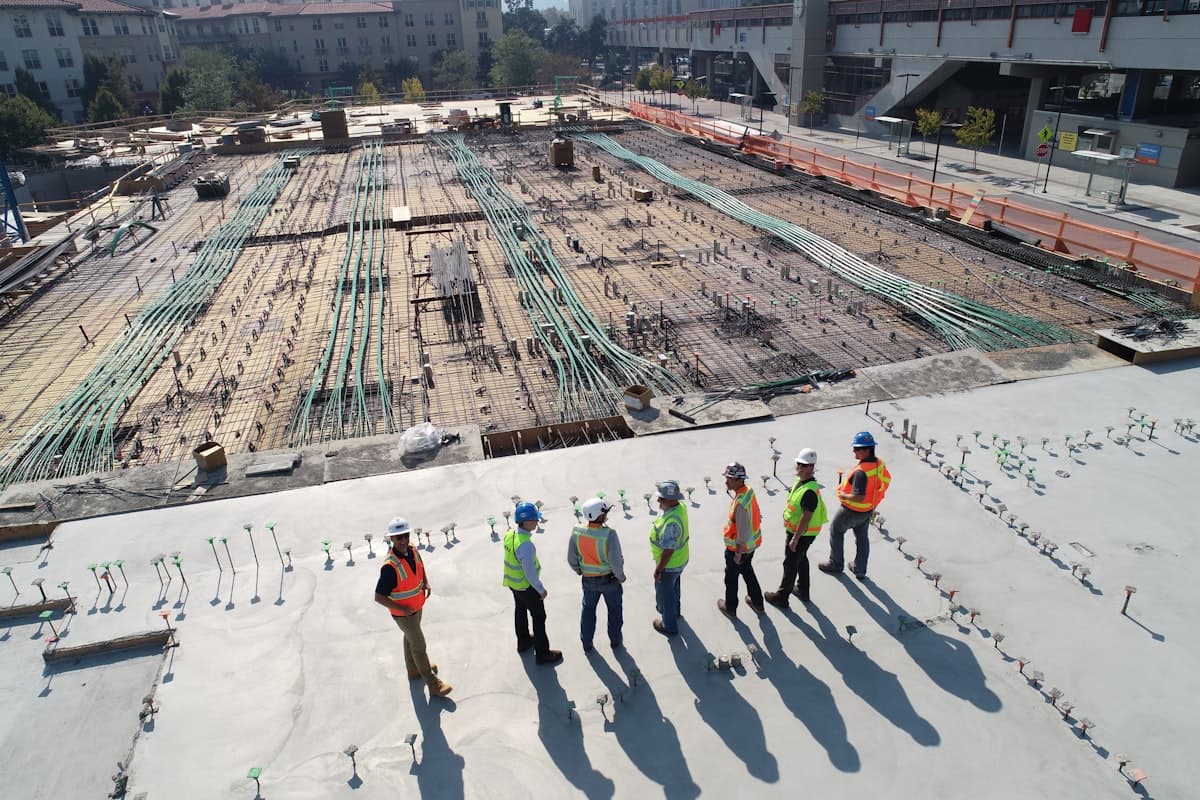
Block walls on concrete footing
Concrete or steel piles driven or drilled deep into the ground until they reach stable soil or bedrock. The structure is elevated above these pilings.
Best For
Considerations

Deep-embedded concrete piles
Reinforced concrete beams that connect pilings together, providing a unified structural base for the elevated floor system.
Best For
Considerations

Reinforced beams connecting pilings
Engineering determines the right foundation for your site. Here's what goes into that analysis.
A geotechnical analysis of your site's soil composition, bearing capacity, and stability. This is the starting point for all foundation decisions.
FEMA flood maps determine your property's flood risk and the elevation requirements for your structure.
The Coastal Construction Control Line marks where stricter building requirements apply to protect against hurricanes and erosion.
The elevation at which there's a 1% chance of flooding in any given year. Florida code requires building above this level.
The physical characteristics of your specific lot influence foundation design.
The Florida Building Code sets minimum standards for residential foundations. Here are key requirements.
Engineering determines the foundation. Not sales.
We don't upsell foundation types. Your site conditions and engineering requirements determine what gets built.
We review your lot's location, flood zone, and CCCL status before any soil work begins.
Licensed geotechnical engineers perform soil borings and lab analysis to determine bearing capacity.
Our structural engineers review all site data to determine the appropriate foundation system.
Foundation plans are engineered specifically for your site—not pulled from a template.
Concrete per engineering specs, exceeding code minimum. Termite pre-treatment. Third-party inspections at every stage.
Exceeds Code
Concrete strength per engineering (FL min: 2,500 PSI)
Engineered
Every foundation designed for the specific site
Pre-treated
Termite treatment before every pour
Inspected
Third-party verification at each stage
Foundation type is determined by engineering requirements, not preference. Your soil conditions, flood zone, and proximity to the coast dictate what's required. We don't offer foundation 'upgrades' because engineering determines what's appropriate for your site.
Properties seaward of the Coastal Construction Control Line (CCCL) are required by Florida code to use piling foundations. This ensures the structure remains stable even if several feet of soil erode during a hurricane, and keeps the living space above storm surge levels.
Costs vary significantly based on site conditions, not just foundation type. A stem wall on a simple lot may cost less than a monolithic slab requiring extensive soil prep. We quote based on what your site actually requires—not a menu of options.
Timeline depends on foundation type and site conditions. Monolithic slabs can be poured in a day after prep work. Stem walls require multiple pours over 1-2 weeks. Piling installation varies by depth and number required. All foundations need proper curing time before framing begins.
Soil reports occasionally reveal unexpected conditions. If this happens, our engineers redesign the foundation accordingly. We communicate any changes and their implications before proceeding—no surprises at the end of the project.
Start with a site evaluation. We'll review your lot's conditions and explain what foundation type your project will need.
Start Site Evaluation